Website Design for Startups: 10 Things You Should Know Before You Build
Starting a company is a whirlwind. You’ve got a product to build, customers to find, and a million tiny decisions to make every day. Somewhere at the top of that list is your website.
For many startups, the first instinct is to "just get something up." While we’re big fans of moving fast, "just getting something up" often leads to a site that looks like a template, confuses your visitors, and: worst of all: doesn't actually convert.
At Hawkhaus, we see the website as the anchor of your entire business system. It’s not just a digital brochure; it’s where your brand identity, your messaging, and your paid advertising performance all meet.
If you’re an early-stage operator or a service-based business looking to build your first real site, here are 10 things you should know before you write a single line of code or hire a designer.
1. It’s a System, Not a Page
One of the biggest mistakes startups make is treating their website like an isolated project. They hire one person for a logo, another for a website, and someone else for ads. The result? A disjointed brand that feels "off."
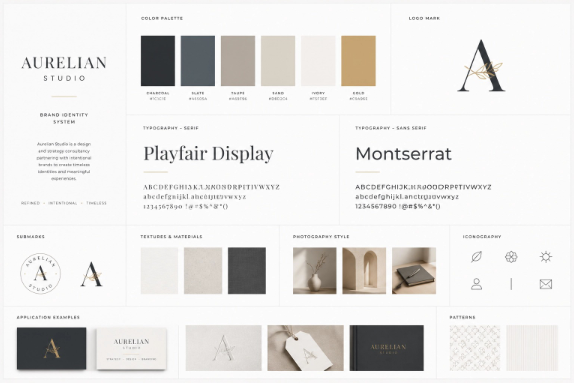
Before you build, you need a brand identity system. This includes your positioning, visual identity, and core messaging. At Hawkhaus, we build these from the ground up because we know that a high-performing website is only as good as the brand system it lives in. When your typography, colors, and voice are consistent, your website feels professional and trustworthy from the first click.
2. Design for Your 2026 Customer
Web design moves fast. What worked in 2020 feels dated today. As we look toward 2026, website design for startups is shifting toward strategic minimalism and performance-driven UX.
Your customers are busier and more skeptical than ever. They don't want to dig through paragraphs of fluff to find out what you do. They want a clear value proposition, simple navigation, and a site that loads in the blink of an eye. If your design is too cluttered, you’re essentially asking your customers to work harder to give you money. Most won't bother.
3. Conversion-First UX Over Everything
A beautiful website that doesn’t generate leads is just an expensive art project.
When you’re a service-based business or a local operator, your website has one primary job: conversion. This is where "Conversion-First UX" comes in. Instead of starting with "what looks cool," start with "what is the goal?"
Whether it's a lead form, a demo booking, or a direct purchase, every element on the page should guide the user toward that action. This means having clear Call-to-Actions (CTAs) that stand out and a layout that naturally flows toward the finish line.
4. Your "Above the Fold" is Your Elevator Pitch
The "above the fold" area: the part of the site someone sees before they start scrolling: is the most valuable real estate you own. You have about three seconds to answer three questions for your visitor:
• What do you offer?
• How does it make my life better?
• How do I get it?
If a user has to scroll to find out what you actually do, you’ve already lost half of them. Keep it simple, keep it bold, and keep the CTA visible.
5. Brand Identity for Startups: Beyond the Logo
A common trap for early-stage companies is thinking a logo is a brand. It's not. Brand identity for startups is about the emotional and visual "gut feeling" a customer gets when they interact with you.
Does your site feel premium? Accessible? Tech-forward? Human? These feelings are created through the intentional use of whitespace, font choices, and the specific tone of your copywriting. If you want to be taken seriously as a professional partner, your website needs to reflect that in every pixel.
6. Mobile Performance is Not Optional
It’s easy to design a beautiful site on a 27-inch monitor and forget that 60% of your traffic (especially from Meta or Google ads) will come from someone on an iPhone while they’re waiting for coffee.
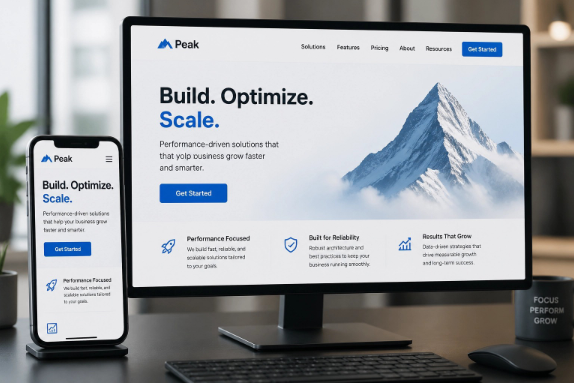
Mobile-first design is a requirement, not a feature. This means ensuring your buttons are easy to tap, your text is legible without zooming, and your images are optimized to load instantly. Google also prioritizes mobile-friendly sites in their rankings, so ignoring this will hurt your SEO and your paid advertising performance.
7. Build for Lead Generation
If you’re a service business, your website is your best salesperson. It works 24/7. To make it effective, you need to bake lead generation into the foundation.
• Simple Forms: Don't ask for 15 pieces of information. Name, email, and one qualifying question are usually enough.
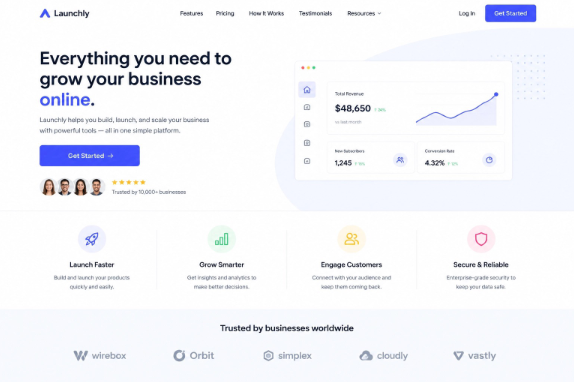
• Social Proof: Testimonials, logos of companies you’ve worked with, and case studies build immediate trust.
• Trust Signals: Clear pricing (if applicable), security badges, and professional photography of your team or work.
8. Speed is a Feature
You can have the most beautiful website design for startups in the world, but if it takes five seconds to load, nobody will ever see it. Site speed is a core part of the user experience and a major factor in Google’s Core Web Vitals.
Heavy animations and unoptimized images are the usual suspects here. Aim for a clean, fast-loading experience. Your conversion rates will thank you.
9. Accessibility is a Competitive Advantage
Designing for everyone isn't just about being a good person; it's about expanding your reach and protecting your business. Ensuring your site meets WCAG accessibility standards (like high color contrast and keyboard navigation) means that every potential customer can interact with your brand. It also happens to be great for SEO, as search engines favor well-structured, accessible content.
10. You Need a Strategic Partner, Not Just a Vendor
Building a website is complex. If you hire a vendor who just builds what you tell them to, you’re missing out on the most important part: the strategy.
A marketing agency for service businesses like Hawkhaus doesn’t just design pages; we look at the whole picture. How will this site support your Google Ads? How does the messaging align with your sales process? How will we optimize it over time?
A website shouldn't be a "one and done" project. It should be a living system that grows with your company.

Final Thoughts
Your website is often the first and last thing a customer sees before they decide to work with you. For a startup, that first impression is everything.
Don't settle for a generic site that hides who you really are. Invest in a system that combines brand identity for startups with a high-performance design that converts.
Ready to build something that actually works? At Hawkhaus, we specialize in taking early-stage companies and building the brands they need to scale. From creative direction to full-funnel management, we’re here to be your strategic partner.